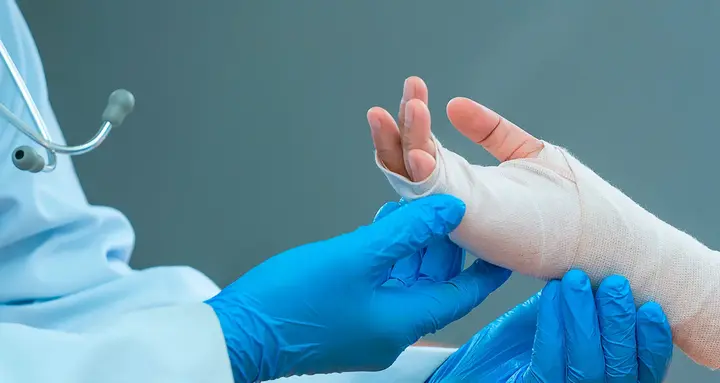
Safe and sterile wound care is essential for preventing infections, promoting healing, and ensuring patient comfort, especially for individuals receiving Wound Dressing at Home in Dubai as part of their recovery process. Proper technique reduces complications and supports faster recovery in a controlled home environment. In many cases, Doctor at Home services provide professional oversight, ensuring that sterile procedures are followed correctly and that patients receive safe, consistent, and medically guided wound care without frequent hospital visits.
Importance of Sterility in Home Wound Care:
Maintaining sterility during wound dressing is one of the most critical factors in preventing infection and ensuring proper healing. Even minor contamination can lead to serious complications. Key reasons sterility matters include:
- Preventing bacterial and fungal infections
- Supporting faster and complication-free healing
- Reducing risk of wound deterioration
- Minimizing pain and inflammation
- Ensuring safe recovery in non-clinical environments
Strict sterile practices create a protective barrier between the wound and harmful microorganisms.
Preparing a Clean Environment for Dressing:
A clean environment is the foundation of safe wound care at home, as it significantly reduces the risk of contamination during dressing changes. The area should be carefully prepared before starting any procedure. Important steps include:
- Selecting a quiet, well-lit, and ventilated room
- Cleaning and disinfecting all surfaces before use
- Keeping pets and dust away from the area
- Using clean towels or disposable sheets under supplies
- Ensuring all necessary materials are arranged beforehand
A properly prepared environment helps maintain control over hygiene and improves procedural safety.
Hand Hygiene and Personal Protection:
Hand hygiene is the most basic yet most effective step in preventing infection during wound dressing. Caregivers must ensure proper handwashing and use protective equipment before any contact with the wound. Key practices include:
- Washing hands thoroughly with soap and water for at least 20 seconds
- Using alcohol-based hand sanitizers when necessary
- Wearing sterile gloves before handling wound materials
- Changing gloves between different procedures
- Avoiding contact with non-sterile surfaces during dressing
These practices significantly reduce the risk of transferring harmful bacteria to the wound site.
Using Sterile Wound Care Supplies:
Sterile medical supplies are essential for ensuring safe and effective wound dressing at home. Using contaminated or reused materials increases the risk of infection and delays healing. Essential supplies include:
- Sterile gauze pads and non-stick dressings
- Saline solution for gentle wound cleaning
- Antiseptic solutions prescribed by healthcare providers
- Sterile gloves for each dressing session
- Clean scissors and tweezers for dressing adjustments
- Disposal bags for used materials
Proper handling and storage of these supplies ensure maximum safety during care.
Step-by-Step Sterile Dressing Procedure:
Following a structured and sterile procedure is crucial for maintaining wound safety and promoting healing. Each step must be performed carefully and without contamination. The correct process includes:
- Washing hands and wearing sterile gloves
- Carefully removing the old dressing without disturbing the wound
- Disposing of used materials immediately in sealed bags
- Cleaning the wound using sterile saline solution
- Applying prescribed medication or antiseptic if required
- Placing a sterile dressing over the wound
- Securing the dressing without applying excessive pressure
This systematic approach ensures optimal wound protection and healing.
Avoiding Common Contamination Mistakes:
Many infections occur due to simple mistakes during home wound care. Awareness of these errors helps improve safety and effectiveness. Common mistakes to avoid include:
- Touching the wound with ungloved hands
- Reusing disposable dressing materials
- Using non-sterile water or cleaning agents
- Leaving the wound exposed for too long during dressing changes
- Ignoring cleanliness of surrounding surfaces
Avoiding these errors is essential for maintaining sterile conditions throughout the process.
Monitoring for Infection During Home Care:
Even with proper sterile techniques, continuous monitoring is essential to detect early signs of infection. Caregivers should observe the wound closely after each dressing change. Warning signs include:
- Increased redness or swelling around the wound
- Persistent or worsening pain
- Presence of pus or unusual discharge
- Foul odor from the wound area
- Fever or general fatigue in the patient
Early detection allows for timely medical intervention and prevents complications.
Role of Professional Home Medical Support:
Professional support plays an important role in ensuring sterile wound care is maintained consistently at home. Services like Wound Dressing at Home in Dubai provide trained professionals who follow strict clinical standards. Support includes:
- Sterile dressing changes performed by trained staff
- Regular wound assessments and progress tracking
- Guidance on infection prevention techniques
- Adjustment of care plans based on healing response
- Reduced need for hospital visits
This ensures that patients receive safe, high-quality care in a home environment.
When Sterile Techniques Require Medical Intervention:
In some cases, despite proper sterile care, medical intervention becomes necessary to ensure safe healing. Recognizing these situations is crucial. Seek help when:
- Wound condition worsens despite proper care
- Signs of infection continue or intensify
- Severe pain or swelling develops
- Wound healing is significantly delayed
- Chronic medical conditions affect recovery
Timely professional intervention ensures complications are managed effectively.
Final Thoughts:
Safe and sterile wound dressing techniques are essential for preventing infections and ensuring smooth recovery at home. With proper hygiene, structured procedures, and careful monitoring, patients can heal effectively outside hospital settings. The availability of Wound Dressing at Home in Dubai makes professional care more accessible, while Doctor at Home services provide additional medical supervision when needed. Together, they create a safe and reliable system for wound management, ensuring better healing outcomes and improved patient comfort.