Notifications

Posted by Lab Software
Filed in Health 3 views
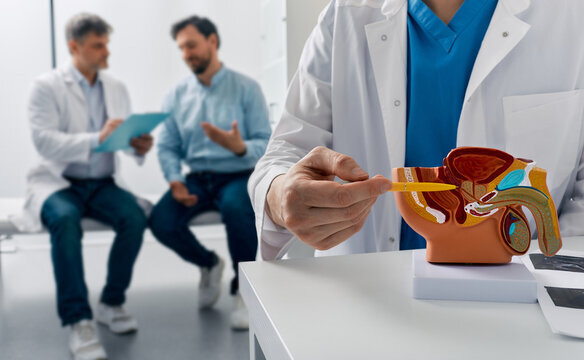
When preparing for a semen analysis test, many men wonder whether their daily habits especially exercise can influence the results. Since a semen analysis evaluates sperm count, motility, shape, and overall reproductive health, even small lifestyle changes may have an impact. Exercise is generally considered beneficial for overall health, but its effects on male fertility are more nuanced. Understanding how physical activity interacts with sperm quality can help you make informed decisions before your test.
This article explores whether exercise is helpful or harmful when preparing for a semen analysis and how to strike the right balance.
A semen analysis is a diagnostic test used to assess male fertility. It measures several key parameters, including sperm concentration, motility (movement), morphology (shape), and semen volume. Doctors often recommend this test when couples face difficulty conceiving or when evaluating reproductive health.
The accuracy of this test can be influenced by various factors, including stress levels, diet, sleep, and physical activity. This is why preparation guidelines often include recommendations about lifestyle habits in the days leading up to the test.
Regular physical activity has numerous benefits that extend to reproductive health. Moderate exercise can improve blood circulation, hormone balance, and overall well-being all of which are essential for healthy sperm production.
Exercise, especially strength training and moderate aerobic activities, can increase testosterone levels. Testosterone plays a crucial role in sperm production, and maintaining healthy levels can support better semen quality.
Chronic stress can negatively impact fertility by disrupting hormone balance. Exercise acts as a natural stress reliever by releasing endorphins, which may indirectly improve sperm parameters.
Obesity is linked to reduced sperm count and poor motility. Regular exercise helps maintain a healthy weight, which is beneficial for reproductive health.
While moderate exercise is beneficial, excessive or intense physical activity can have the opposite effect. Overtraining can lead to hormonal imbalances and increased oxidative stress, both of which may harm sperm quality.
Excessive exercise can lower testosterone levels and increase cortisol (the stress hormone). This hormonal imbalance can negatively affect sperm production.
Certain forms of exercise, such as long-distance cycling or using tight athletic gear, can increase scrotal temperature. Sperm production requires a slightly cooler temperature than the rest of the body, so prolonged heat exposure may reduce sperm quality.
Intense workouts can increase the production of free radicals in the body. These unstable molecules can damage sperm cells and affect their function.
The timing and intensity of your workouts matter when preparing for a semen analysis. Medical professionals usually recommend maintaining a stable routine rather than making drastic changes right before the test.
If you’re not used to heavy exercise, starting an intense routine just days before the test may temporarily affect your results.
Light to moderate exercise, such as walking, jogging, or yoga, is generally safe and may even be beneficial in the days leading up to the test.
Ensure you give your body enough time to recover between workouts. Proper rest supports hormone regulation and overall reproductive health.
Not all exercises affect the body in the same way. Choosing the right type of activity can help you maintain optimal sperm health.
Activities like brisk walking, swimming, and cycling (in moderation) improve cardiovascular health and circulation, which can support reproductive function.
Moderate weightlifting can boost testosterone levels and enhance overall fitness.
Yoga and stretching exercises help reduce stress and improve hormonal balance, making them ideal when preparing for a semen analysis.
To ensure accurate semen analysis results, consider the following practical tips related to exercise:
Stick to your regular exercise routine without overexerting yourself
Avoid high-intensity workouts 2–3 days before the test
Wear loose, breathable clothing during workouts
Stay hydrated and maintain a balanced diet
Get adequate sleep and manage stress levels
These small adjustments can help minimize any temporary factors that might influence your test results.
Exercise is just one piece of the puzzle when it comes to male fertility. Other lifestyle factors such as smoking, alcohol consumption, diet, and sleep also play significant roles. A holistic approach that combines moderate exercise with healthy habits is the best way to support reproductive health.
If you’re planning a semen analysis, it’s important to follow your doctor’s instructions carefully. Consistency in your daily routine is key, as sudden changes can lead to misleading results.
If you have concerns about your fertility or are unsure how your exercise routine might affect your semen analysis, consulting a healthcare professional is a wise step. They can provide personalized recommendations based on your health status and fitness level.
So, is exercise helpful or harmful before a semen analysis test? The answer lies in balance. Moderate, regular exercise is beneficial and supports overall reproductive health, while excessive or intense workouts may temporarily harm sperm quality.
By maintaining a consistent and moderate exercise routine, you can help ensure more accurate semen analysis results. If you’re planning to book a semen analysis test in lahore, platforms like Instacare.pk make it easier to connect with reliable labs and healthcare professionals, ensuring a smooth and convenient experience.
Ultimately, adopting a healthy lifestyle that includes balanced exercise, proper nutrition, and stress management is the best way to support both your fertility and overall well-being.