Notifications

11 minutes, 29 seconds
-2 Views 0 Comments 0 Likes 0 Reviews
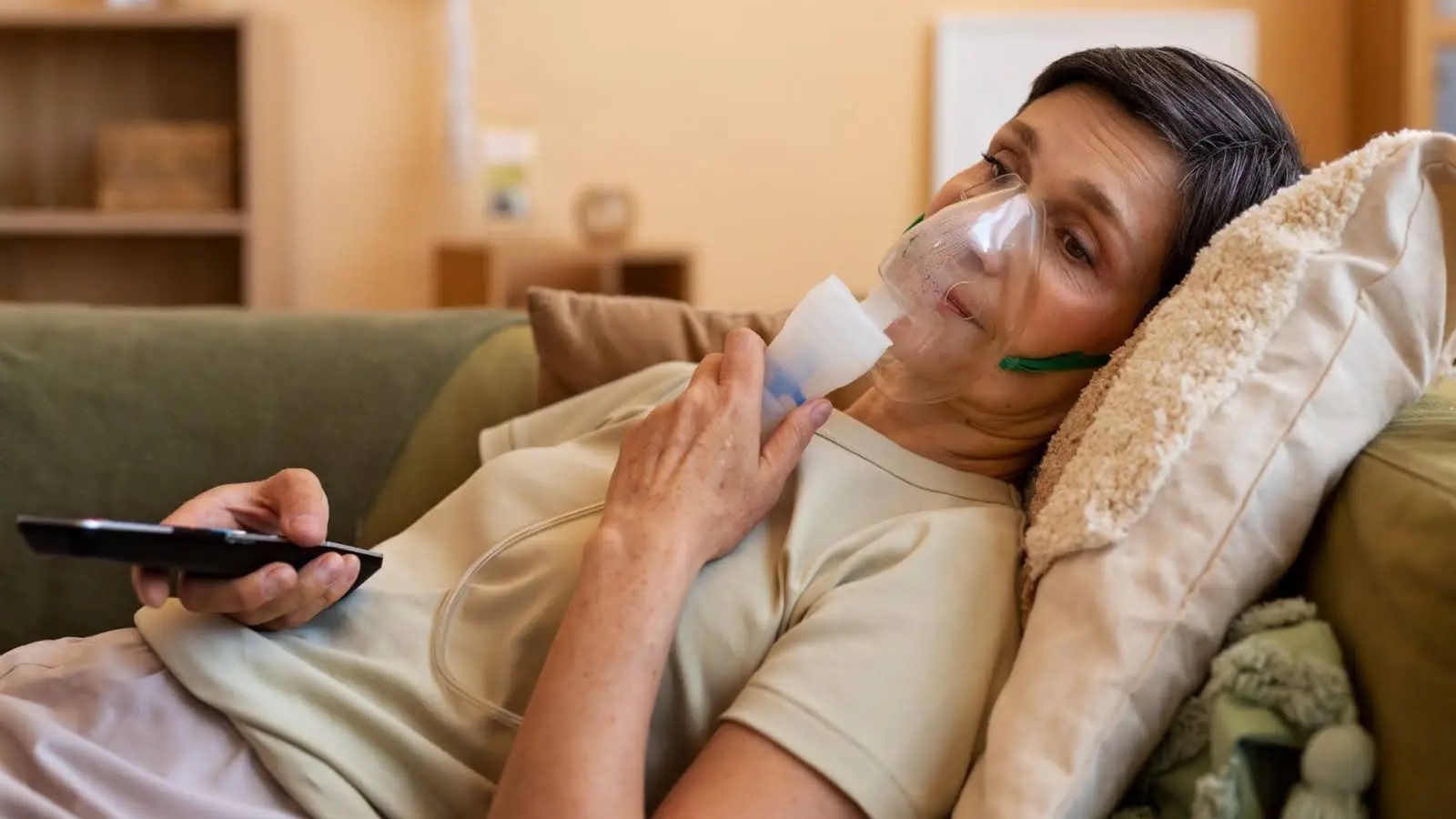
Recovering from a respiratory illness can take time, especially when a patient continues to experience breathing difficulties, fatigue, or reduced oxygen levels after leaving the hospital. Oxygen Therapy At Home In Dubai can support eligible patients who have been medically assessed and prescribed supplemental oxygen during recovery. With guidance from qualified healthcare professionals and services such as a Doctor at Home, patients can receive appropriate monitoring and practical assistance in a familiar environment. Although oxygen therapy does not cure respiratory illnesses, it may help maintain adequate oxygen levels when clinically necessary. Understanding how home oxygen works, following the prescribed treatment plan, and recognizing warning signs are essential for a safer recovery.
Respiratory illnesses can affect the lungs' ability to transfer oxygen into the bloodstream. Conditions such as severe pneumonia, certain viral respiratory infections, and exacerbations of chronic lung disease may leave some patients with low blood oxygen levels during recovery. In these situations, a healthcare professional may prescribe supplemental oxygen based on clinical assessment and relevant test results. Not everyone recovering from a respiratory illness needs oxygen, even if they experience breathlessness or fatigue. The decision depends on the patient's oxygen levels, underlying condition, and overall medical status. Patients should use oxygen only as prescribed and should never begin treatment or adjust the flow rate independently.
Home oxygen therapy may be recommended for patients who continue to have low oxygen levels after hospitalization or who require ongoing respiratory support under a clinician's supervision. Some patients need oxygen temporarily while recovering, whereas others may have an underlying condition that requires longer-term treatment. A clinician may assess oxygen saturation, symptoms, medical history, and other relevant findings before deciding whether home oxygen is appropriate. Patients who have been discharged with oxygen should receive clear instructions about when and how to use it, including whether it is required during rest, sleep, or physical activity. Regular reassessment is important because oxygen needs can change as the patient recovers.
For patients who qualify for supplemental oxygen, receiving treatment at home can make recovery more convenient and allow them to rest in familiar surroundings. Home-based treatment may reduce the need for travel solely to access prescribed oxygen, while family members can help maintain a consistent routine. When oxygen therapy is medically indicated and used correctly, it can help maintain the patient's prescribed oxygen levels and support daily activities within their limitations. Other potential benefits include:
Greater comfort while resting in a familiar environment.
Easier integration of prescribed oxygen use into daily routines.
Opportunities for family members to learn safe equipment handling.
Reduced travel demands for patients who are medically stable.
Support from home healthcare professionals when included in the care plan.
Oxygen therapy is only one part of recovery and should complement other treatments, follow-up appointments, and rehabilitation recommendations provided by the healthcare team.
The appropriate oxygen equipment depends on the patient's prescription, expected duration of use, mobility needs, and home environment. An oxygen concentrator draws in surrounding air and concentrates oxygen while operating, generally requiring electricity or a compatible battery. An oxygen cylinder contains a finite supply of compressed medical oxygen and may be used when a stored supply is appropriate, including as part of a clinician-approved backup plan. Not every device can provide every prescribed flow rate or delivery method, so equipment selection should be guided by the treating clinician and an authorized oxygen supplier. Patients and caregivers should also understand equipment alarms, maintenance requirements, and what to do if the oxygen supply becomes interrupted.
Following the treatment plan carefully is essential during recovery because oxygen requirements can vary between patients and change over time. Caregivers should understand the prescribed flow rate, the schedule for oxygen use, and any instructions for sleep or physical activity. Patients must not increase or decrease oxygen settings simply because they feel more breathless or believe their recovery has improved. If symptoms change or the prescribed treatment becomes difficult to follow, contact the treating clinician for advice. Helpful practices include:
Keep the oxygen prescription and treatment instructions accessible.
Follow the exact flow rate and schedule recommended by the clinician.
Attend planned follow-up appointments and reassessments.
Record significant symptom changes and questions for the healthcare team.
Contact the clinician before making any changes to treatment.
These steps can help patients and families avoid confusion and maintain consistency throughout recovery.
Safe equipment handling is especially important when oxygen is used in a home environment. Patients and caregivers should follow the manufacturer's instructions for cleaning, storage, filter care, and accessory replacement. Tubing should be checked for visible damage, kinks, or disconnections, while equipment should be positioned according to the supplier's ventilation and clearance requirements. Oxygen supports combustion, so strict fire precautions are essential. Important safety measures include:
Never smoke or allow smoking near oxygen equipment.
Keep oxygen away from candles, open flames, gas stoves, and other ignition sources.
Secure oxygen cylinders using the approved method and store them as directed.
Avoid oil-based products around oxygen-contact areas.
Keep tubing arranged to reduce tripping hazards.
Contact the authorized supplier if equipment malfunctions or repeatedly triggers alarms.
Never attempt unauthorized repairs or use unapproved accessories. Families should also understand the backup arrangements recommended for the patient's specific equipment.
Recovery from a respiratory illness can involve tiredness, weakness, and reduced tolerance for physical activity. Caregivers can help patients balance rest with gradual movement according to their clinician's recommendations. Keeping essential items within reach, breaking tasks into smaller steps, and allowing sufficient time for meals and personal care may reduce unnecessary exertion. A balanced diet and adequate fluid intake, when medically appropriate, can support general recovery, although individual needs may differ for patients with other health conditions. Patients should not push through worsening breathlessness or assume that oxygen will make every activity safe. Ask the healthcare team about suitable breathing techniques, mobility support, or pulmonary rehabilitation when appropriate.
Monitoring the patient's condition helps caregivers identify changes that may require medical attention. Depending on the care plan, this may include observing breathing patterns, alertness, activity tolerance, fever, cough, and oxygen saturation when a clinician recommends checking it. Pulse oximeter readings should be interpreted alongside symptoms and the patient's individualized target range, as readings can sometimes be affected by device limitations or measurement conditions. Contact the treating clinician if breathing becomes progressively more difficult, fever returns, coughing worsens, or recovery appears to stall. Severe breathlessness, chest pain, blue or grey lips, sudden confusion, or loss of consciousness requires emergency medical assistance. Do not delay emergency care while trying to adjust oxygen settings.
Professional home healthcare providers can help patients follow their prescribed oxygen routine and understand when changes in their condition need further assessment. Depending on the service, support may include reviewing equipment use, monitoring symptoms, providing caregiver education, and communicating concerns to the treating clinician. Home visits may also help identify practical barriers to safe treatment, such as poorly arranged tubing or uncertainty about equipment alarms. When choosing Oxygen Therapy At Home In Dubai, families should confirm the provider's qualifications, the scope of available care, and the process for contacting medical professionals when concerns arise. Home healthcare support complements clinical treatment but does not replace scheduled medical reviews or emergency services.
Oxygen therapy at home can be an important part of recovery for patients who continue to experience low blood oxygen levels after a respiratory illness. With an appropriate medical assessment, a clear prescription, safe equipment use, and regular follow-up, eligible patients can manage treatment in a familiar environment while focusing on recovery. Families should understand the oxygen schedule, maintain fire safety, and seek professional advice when symptoms or equipment problems arise. For patients receiving Oxygen Therapy At Home In Dubai, qualified healthcare support can make daily care more manageable and help ensure that treatment follows medical recommendations. Always use oxygen as prescribed and seek emergency assistance for severe or sudden breathing difficulties.
Home oxygen therapy Dubai Oxygen therapy services in Dubai Oxygen Treatment at Home in Dubai Oxygen Therapy At Home in Dubai Home Oxygen Support in Dubai


Share this page with your family and friends.