Notifications

12 minutes, 20 seconds
-9 Views 0 Comments 0 Likes 0 Reviews
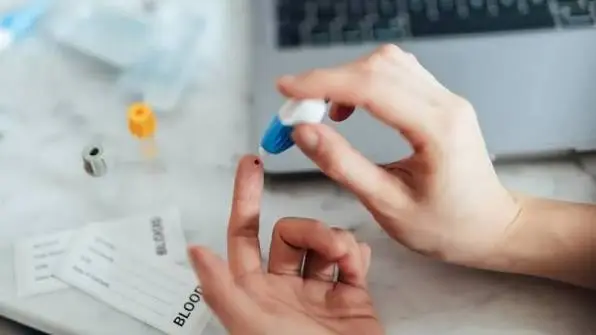
Blood testing is an essential part of preventive healthcare, diagnosing medical conditions, and monitoring ongoing treatments. However, travelling to a diagnostic laboratory is not always convenient for busy professionals, elderly individuals, or patients with limited mobility. Blood Test At Home in Dubai offers a practical alternative by allowing patients to receive blood sample collection services in the comfort of their homes. Professional phlebotomists play a vital role in making this process safe, hygienic, and efficient. With support from qualified healthcare providers and a Doctor at Home service when appropriate, patients can access recommended investigations while reducing the inconvenience of travelling. Understanding how trained phlebotomists prepare equipment, collect samples, prevent contamination, and handle specimens helps patients make informed decisions when choosing a home blood testing service.
A professional phlebotomist is trained to collect blood samples using appropriate techniques while following established hygiene and patient safety procedures. Their responsibilities include confirming patient identity, reviewing the requested tests, preparing collection equipment, selecting a suitable vein, and ensuring that samples are correctly labelled. During home visits, phlebotomists must also assess the collection environment and adapt their approach to the patient's needs. This may involve supporting elderly patients, communicating with individuals who feel anxious about needles, or taking extra precautions for people with difficult veins. Their training helps reduce avoidable collection errors and supports the laboratory's ability to process samples correctly. Professional competence, clear communication, and careful attention to detail are essential throughout the appointment.
Blood collection involves handling needles, blood samples, and medical equipment, so appropriate safety procedures are essential in any setting. At home, the healthcare professional must ensure that the environment supports clean and organised sample collection despite differences in household layouts. Correct procedures help reduce the risk of infection, accidental needle injuries, specimen contamination, and identification errors. They also protect patients and healthcare workers from unnecessary exposure to bloodborne pathogens. Before arranging Blood Test At Home in Dubai, patients should check that the provider uses qualified personnel and follows applicable healthcare regulations. A reliable service should prioritise patient safety, maintain appropriate hygiene standards, and use suitable procedures for collecting, transporting, and processing samples.
One of the first safety measures is confirming the patient's identity and matching it with the laboratory request. A phlebotomist may check identifying details and verify which investigations have been requested before preparing the collection equipment. This process helps prevent samples from being assigned to the wrong patient or the wrong tests being performed. The professional should also ask about relevant medical information, including allergies, previous fainting episodes, difficult blood draws, and medications that may increase bleeding risk. Patients should communicate any concerns clearly and provide accurate information about their medical history. Verifying these details before collection helps the phlebotomist select appropriate precautions and ensures that the sample collection process follows the intended clinical requirements.
Hand hygiene and appropriate protective equipment are fundamental parts of safe blood collection. Professional phlebotomists clean their hands at the appropriate times, use suitable gloves, and prepare the collection site according to established infection prevention procedures. They use sterile, single-use needles and appropriate collection supplies to reduce the risk of contamination and infection. The skin at the puncture site is cleaned with a suitable antiseptic and allowed to dry as instructed by the applicable procedure. Used needles must never be reused or left unsecured. After collection, sharps are placed directly into an approved sharps container, while other waste is handled according to relevant disposal requirements. These precautions protect patients, healthcare workers, and other household members.
Selecting a suitable vein is important for obtaining a sample efficiently while minimising discomfort and repeated needle insertion. Phlebotomists consider factors such as vein visibility, accessibility, the patient's medical history, and any restrictions affecting the arms or hands. Patients with fragile veins, dehydration, a history of difficult blood draws, or previous surgery may require additional assessment. The professional should explain the procedure and position the patient comfortably before collection begins. If the first attempt is unsuccessful, the phlebotomist should follow professional limits on repeat attempts and seek appropriate assistance when necessary. Patients should never be pressured to tolerate repeated unsuccessful attempts without discussion of alternative arrangements.
Professional technique helps obtain an adequate sample while reducing discomfort and the likelihood of collection errors. A phlebotomist follows the appropriate procedure for the requested tests, including using the correct collection tubes and order of draw when required. Tourniquet application, needle positioning, and handling of the sample can influence collection quality. The professional monitors the patient throughout the procedure and responds promptly if the patient experiences dizziness, nausea, pain, or anxiety. Once the sample has been collected, the needle is removed safely, and pressure is applied to the puncture site. These steps help support patient comfort and reduce complications such as prolonged bleeding or bruising. Patients should tell the professional immediately if they feel unwell.
Accurate sample labelling is essential because even a properly collected specimen may be unusable if it cannot be reliably matched to the correct patient. Phlebotomists follow the laboratory's identification procedures and label samples at the appropriate time, checking that the details match the patient's information and test request. They also use the correct containers and handle specimens according to the requirements of each investigation. Some samples may need specific temperature conditions, protection from light, or timely delivery to the laboratory. Blood Test At Home in Dubai services should have appropriate arrangements for specimen transport and tracking. Correct handling helps reduce delays, prevent avoidable sample rejection, and support reliable laboratory processing.
Safe care continues after the sample has been collected. The phlebotomist checks the puncture site, applies pressure, and uses a dressing when appropriate. Patients who take blood-thinning medication or have fragile skin may need additional attention to ensure that bleeding has stopped. The professional should explain how to care for the site and what symptoms may require medical advice. Minor tenderness or a small bruise can occur, but persistent bleeding, increasing swelling, severe pain, or signs of infection should not be ignored. If a patient feels faint, the professional should help them remain in a safe position and assess whether further assistance is needed. Clear aftercare instructions help patients understand how to respond to potential problems.
Patients and caregivers can support safe collection by preparing a suitable area and sharing important information before the appointment. A clean, well-lit space with enough room for the collection equipment helps the professional work efficiently. Patients should confirm any fasting requirements because not every blood test requires fasting. They should also ask their healthcare provider how to manage prescribed medication, particularly if fasting could affect their treatment. Helpful preparation steps include:
Keep identification and the laboratory test request accessible.
Inform the phlebotomist about allergies, medications, and previous collection difficulties.
Follow the specific fasting instructions provided by the healthcare professional.
Ensure there is a stable chair or suitable place to lie down if needed.
Keep children and pets away from the collection area during the procedure.
Follow instructions for pressure, dressing care, and post-collection monitoring.
These preparations help create a safer, more organised experience for everyone involved.
Selecting an appropriate provider is essential for ensuring that home blood collection meets recognised safety and quality expectations. Patients should check whether the service operates under applicable healthcare licensing requirements, employs qualified phlebotomists, and works with a suitable laboratory. It is also important to ask about sample transport, report delivery, pricing, appointment availability, and procedures for protecting personal medical information. A reliable provider should explain preparation requirements clearly and offer a way to contact a healthcare professional when results need interpretation. Patients should avoid choosing a service based on convenience or price alone. Appropriate qualifications, safe collection practices, accurate specimen handling, and transparent communication all contribute to a dependable home testing experience.
Professional phlebotomists help make home blood collection safe by following established hygiene procedures, verifying patient details, using sterile equipment, collecting samples correctly, and ensuring appropriate labelling and transport. These steps are essential for protecting patients and supporting reliable laboratory results. Blood Test At Home in Dubai can make recommended diagnostic investigations more accessible to individuals who prefer or require care at home. By selecting a qualified provider, sharing relevant medical information, following preparation instructions, and observing aftercare guidance, patients can help make the experience safer and more comfortable. Home blood testing should remain part of a broader healthcare plan that includes appropriate medical consultations and professional interpretation of laboratory results.
Blood test at home Dubai Home blood testing Dubai Blood test services Dubai At-home blood test Dubai Home lab tests Dubai Blood testing at home Dubai Dubai home blood collection Blood sample collection at home Dubai Lab tests at home Dubai Blood test appointment Dubai


Share this page with your family and friends.