Notifications

12 minutes, 2 seconds
-3 Views 0 Comments 0 Likes 0 Reviews
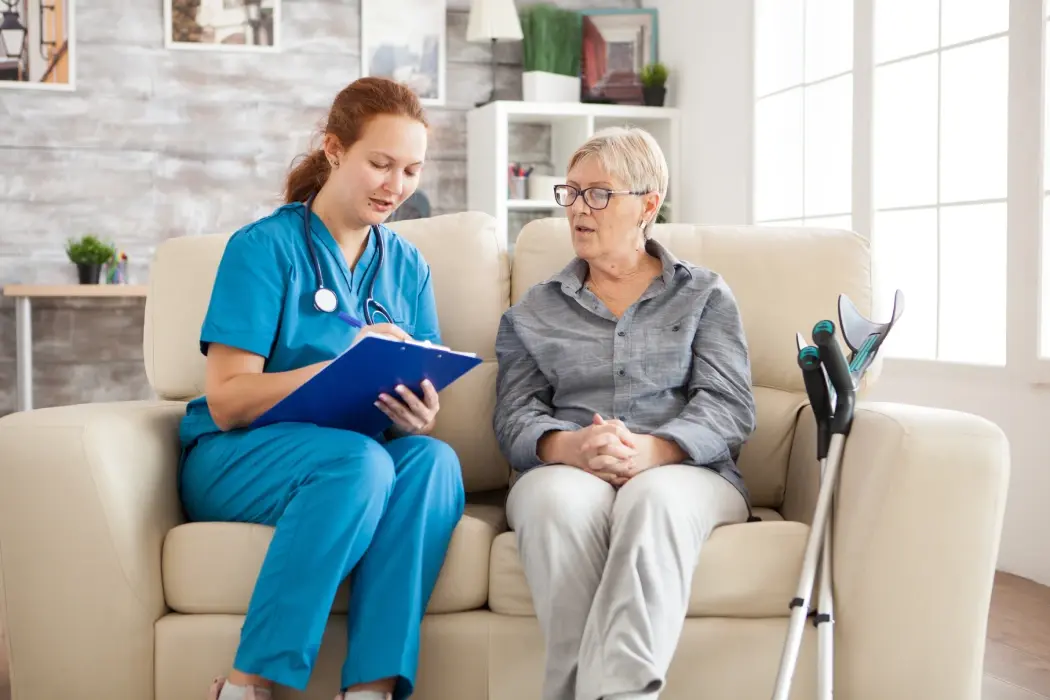
Living with a chronic illness often requires continuous medical attention, regular health monitoring, medication management, and lifestyle adjustments. For patients managing conditions such as diabetes, heart disease, respiratory disorders, or neurological conditions, receiving professional assistance at home can make everyday healthcare more manageable. Female Home Nursing Services in Dubai provide personalised nursing support for individuals who prefer female assistance while managing long-term health needs in familiar surroundings. Qualified nurses can help patients follow treatment routines, monitor changes in their condition, and maintain personal comfort. Services such as Doctor at Home can also help families arrange medical consultations without requiring patients to travel when their health or mobility makes it difficult.
Chronic illnesses are health conditions that may require ongoing management over an extended period. Although treatment differs depending on the diagnosis, many patients need regular medication, monitoring, medical appointments, and support with daily activities. Some individuals remain independent but benefit from occasional nursing visits, while others require more frequent assistance because of reduced mobility or complex healthcare needs. Female home nurses can help identify the patient's daily requirements and follow a care plan developed with the treating healthcare professional. Understanding the patient's medical history, symptoms, physical abilities, and personal preferences allows nursing support to be organised around their individual circumstances.
Regular monitoring is important for patients whose chronic conditions can change over time. Depending on the care plan, a qualified nurse may check blood pressure, pulse, temperature, respiratory rate, or blood glucose levels. These measurements can help track the patient's condition and provide useful information to the treating doctor. Nurses may also observe symptoms such as unusual fatigue, swelling, dizziness, breathing difficulties, or changes in appetite. Any concerning findings should be documented and communicated to the appropriate healthcare professional. Home monitoring does not replace medical assessments, but it can support continuity of care and help families recognise when further medical advice may be needed.
Many people with chronic illnesses take multiple medications to manage symptoms, control their condition, or reduce the risk of complications. Following different prescriptions and schedules can become confusing, particularly for older adults or patients with memory difficulties. Female home nurses can assist with medication administration according to authorised instructions and help maintain an organised treatment routine. They can also observe possible side effects and report concerns to the treating doctor. Important medication safety practices include:
Keeping an updated list of prescribed medicines.
Following the correct dosage and administration schedule.
Storing medicines according to their instructions.
Checking expiry dates and prescription changes.
Avoiding missed or repeated doses.
Reporting unexpected reactions to the healthcare team.
Patients should never change or discontinue prescribed medication without medical guidance.
Diabetes management often involves regular blood glucose monitoring, medication or insulin administration when prescribed, appropriate nutrition, and attention to foot and skin health. A female home nurse can support patients by following the prescribed monitoring schedule, recording readings, and assisting with authorised treatment procedures. Nurses may also observe concerns such as unusual sweating, weakness, dizziness, or changes in foot condition and communicate them promptly. Patients should receive clear instructions about recognising and responding to low or high blood glucose levels. Consistent nursing support can help individuals follow their diabetes care plan while making daily management more organised and comfortable.
Patients with cardiovascular or respiratory illnesses may require regular observation and assistance with prescribed treatment routines. Depending on their condition, nursing care may include monitoring blood pressure, pulse, breathing patterns, oxygen saturation when indicated, and general activity tolerance. Nurses can also help patients follow medication instructions and recognise changes such as increasing breathlessness, unusual swelling, chest discomfort, or persistent coughing. These symptoms should be assessed appropriately, and severe or sudden symptoms may require emergency medical attention. Female home nurses can provide routine support while communicating relevant observations to the treating healthcare team, helping families remain informed about the patient's ongoing care needs.
Chronic illnesses can affect energy levels, mobility, and the ability to complete everyday tasks. Patients experiencing weakness, joint pain, breathlessness, or physical limitations may need help with bathing, dressing, grooming, toileting, and maintaining a clean living environment. Female nurses can provide this assistance while respecting privacy, dignity, and personal preferences. They should encourage patients to perform activities they can safely manage independently and provide additional support where necessary. This approach helps maintain confidence and prevents unnecessary dependence. For patients who prefer female assistance with sensitive personal care, professional nursing visits can offer a more comfortable way to manage daily hygiene needs.
Long-term illnesses can increase the risk of complications, particularly when patients have reduced mobility or require complex treatment. Regular nursing support can help address some preventable concerns through hygiene, skin observation, medication routines, and appropriate movement. For example, patients who spend extended periods in bed may need assistance with repositioning and pressure area monitoring. Individuals with diabetes may require regular foot checks, while patients with respiratory conditions may need observation for changes in breathing. Nurses should follow the patient's clinical instructions and report concerning symptoms rather than attempting to manage complications beyond their professional scope. Early communication with healthcare professionals can help ensure that patients receive appropriate assessment and treatment.
Nutrition and hydration can influence how patients feel and manage chronic health conditions. Some individuals may need specific dietary adjustments, while others experience reduced appetite, difficulty preparing meals, or challenges maintaining regular eating habits. Female home nurses can observe food and fluid intake, encourage suitable hydration, and communicate concerns about appetite or unexpected weight changes. Patients with diabetes, kidney disease, heart conditions, or other chronic illnesses may require individual dietary guidance from a doctor or registered dietitian. Nurses should follow these recommendations rather than introducing dietary restrictions independently. Families can also help by preparing suitable meals and ensuring that food and drinks are easily accessible.
Managing a chronic illness can affect emotional wellbeing as well as physical health. Patients may experience frustration, anxiety, loneliness, or concern about how their condition will affect their independence. Regular nursing visits can provide reassurance through respectful communication, attentive listening, and consistent support with daily healthcare routines. Female nurses can encourage patients to express concerns, participate in care decisions, and maintain suitable activities according to their abilities. They may also help families understand the importance of emotional support and social interaction. Although nursing care cannot replace family relationships or specialised mental health treatment, compassionate assistance can help patients feel more supported while managing long-term health challenges.
Effective chronic illness management often involves cooperation between patients, nurses, family caregivers, doctors, and other healthcare professionals. Nurses can maintain accurate care records, communicate relevant observations, and help patients follow medical instructions. With the patient's consent, they can also share appropriate updates with authorised family members. Families should provide complete information about diagnoses, allergies, medication, previous hospital admissions, and current treatment plans. If symptoms change or the patient's needs become more complex, the care plan should be reviewed by the treating doctor. This coordinated approach helps ensure that home nursing remains consistent with medical recommendations and the patient's changing requirements.
Selecting a suitable provider is important for patients who need ongoing healthcare assistance. Families should verify professional qualifications, licensing, relevant clinical experience, and the provider's approach to patient safety and confidentiality. It is also useful to discuss the patient's diagnosis, required nursing procedures, visit frequency, availability, and emergency arrangements before starting care. Ask how nursing observations are documented and how concerns are communicated to the treating doctor. Female Home Nursing Services in Dubai can be a suitable option for patients who prefer female nursing support and need personalised assistance with chronic illness management. A clear care plan helps ensure that services match the patient's medical requirements and personal preferences.
Managing a chronic illness requires consistency, professional guidance, and attention to everyday healthcare needs. Female home nurses can support patients through health monitoring, medication assistance, personal care, complication prevention, and communication with families and healthcare professionals. Their role is to follow an appropriate care plan while helping patients maintain comfort and independence. Female Home Nursing Services in Dubai provide an option for arranging personalised nursing assistance in familiar surroundings. With qualified professionals and coordinated medical care, patients can receive ongoing support that helps make long-term condition management more organised and reassuring.
home healthcare services Dubai Female Home Nursing Services in Dubai Female Nurse at Home in Dubai Home Nursing Services Dubai Female Caregiver in Dubai Private Female Nurse in Dubai Female Nurse Home Care Dubai Female Nursing Care at Home Dubai Professional Female Nurse in Dubai


Share this page with your family and friends.